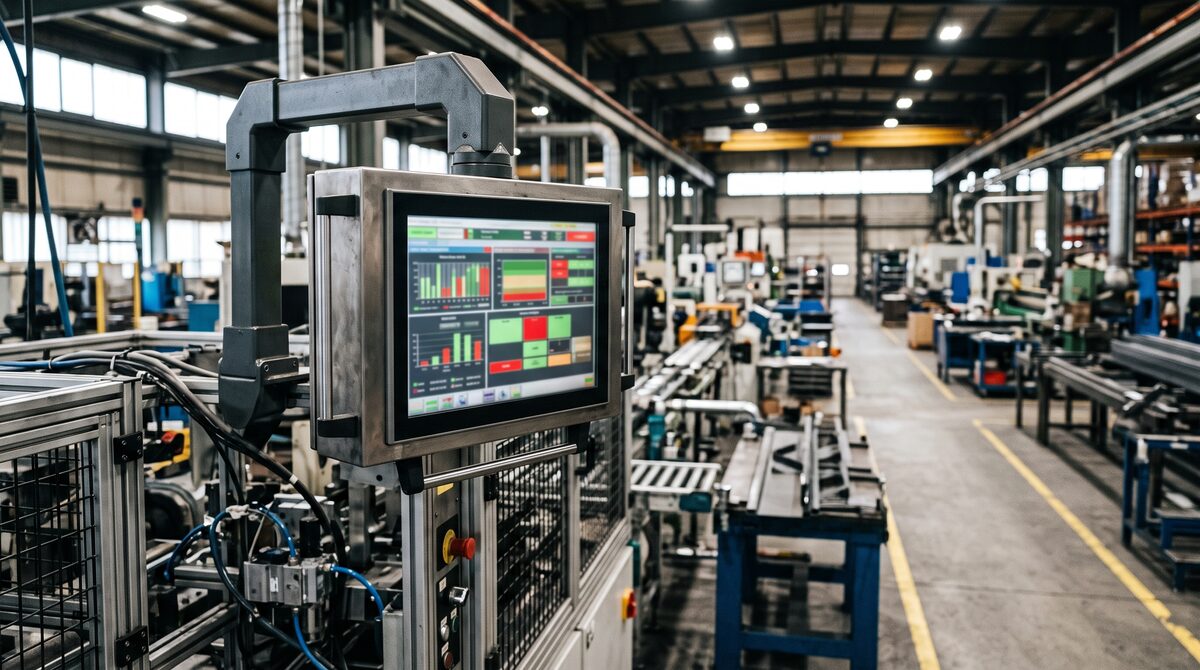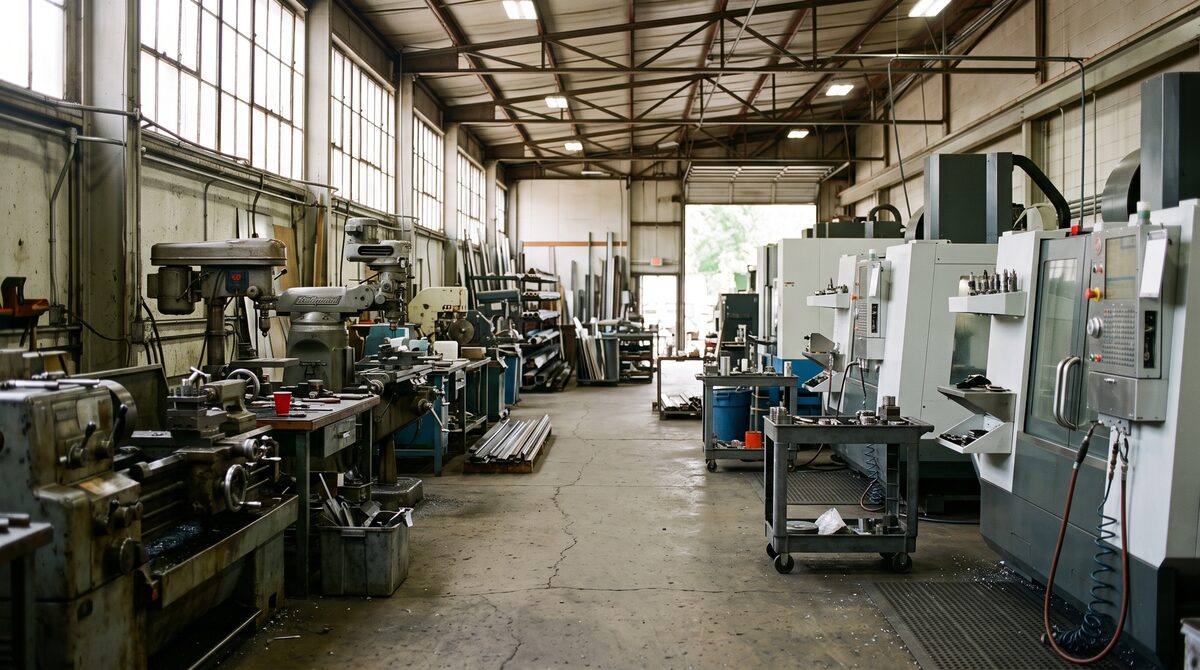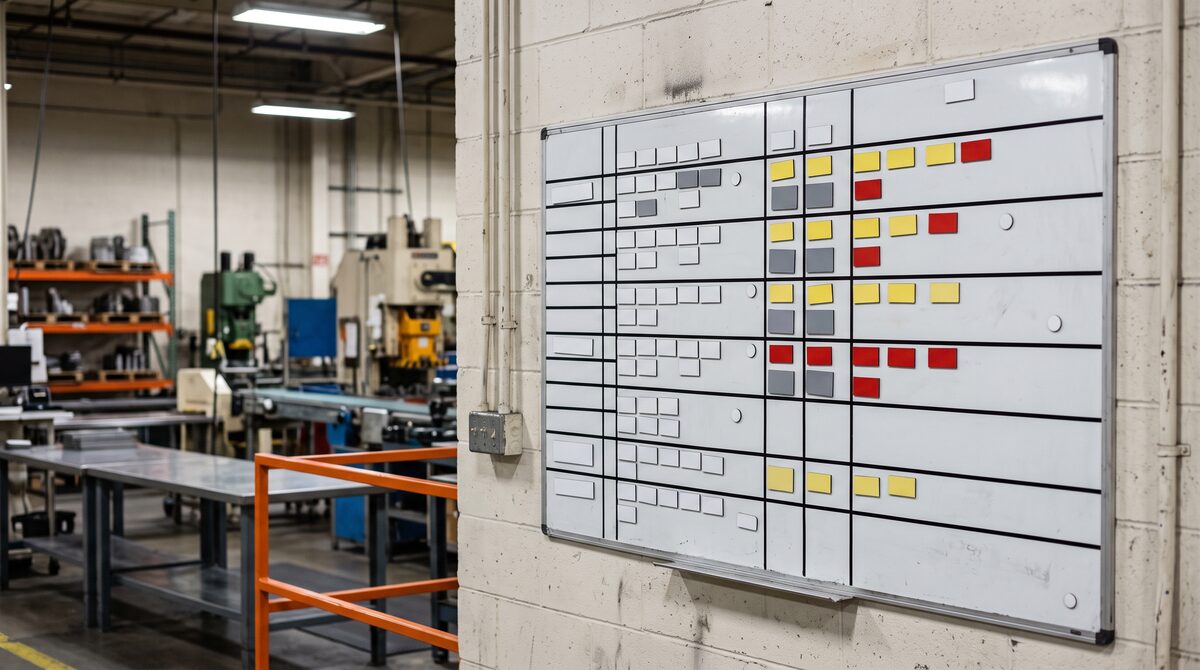
A shop buys a machine-monitoring package. The business case is sound, the vendor demo goes…
MANTEC: Strengthening South Central Pennsylvania Manufacturing
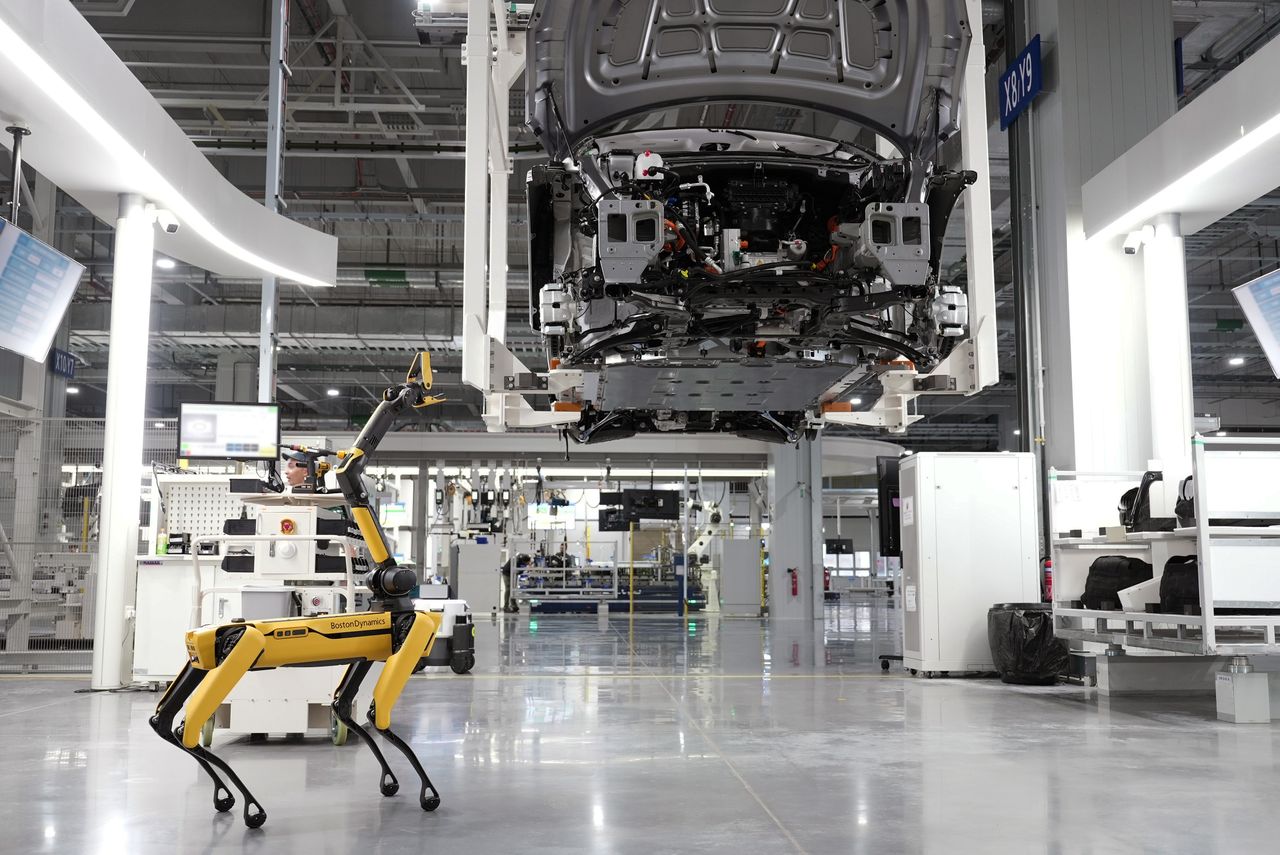
The pressure to automate has never been higher, but the cost of automating wrong has never been steeper. North American manufacturers ordered 36,766 robots worth roughly $2.25 billion across 2025, a 6.6 percent unit increase over the previous year. Global industrial robot installations have more than doubled over the past decade. For manufacturers across Adams, Cumberland, Dauphin, Franklin, Fulton, Lancaster, Lebanon, Perry, and York counties, the math driving this surge is hard to argue with: persistent labor shortages, rising operating costs, reshoring momentum, and customer demands for tighter quality at faster turnaround.
Yet the same survey data tells a more complicated story. According to industry analysts tracking 2025 deployment outcomes, nearly one-third of automation projects fail to perform as expected. While roughly nine in ten U.S. manufacturers now call automation critical to competitiveness, fewer than four in ten report significant or full adoption. The gap between intent and outcome has become the central management problem of the decade, and it is hitting small and mid-sized manufacturers hardest.
The Hard Numbers Behind the Automation Surge
According to the International Federation of Robotics, 542,000 industrial robots were installed worldwide in 2024, with Asia accounting for 74 percent of new deployments compared with just 9 percent in the Americas. The operational stock of robots worldwide exceeded 4.6 million units, a 9 percent jump from the prior year. That regional disparity matters for Pennsylvania manufacturers competing for contracts against globally automated rivals — but chasing parity through aggressive capital purchases without first understanding whether operations are ready is exactly how the one-in-three failure rate compounds.
The Association for Advancing Automation reported that non-automotive sectors led the 2025 robot order surge, with food and consumer goods orders jumping 105 percent year-over-year in Q3 2025 alone. Metals manufacturing and general industry both posted gains. The shift signals that robotics is no longer the exclusive domain of automotive giants — it has arrived squarely in the type of diversified, mid-volume operations that define South Central Pennsylvania’s industrial base.
Why Smaller Manufacturers Face the Steepest Curve
Pennsylvania manufacturing employs more than 562,000 workers generating over $116 billion in annual output, but the Commonwealth faces a projected shortfall of more than 300,000 skilled trade workers by 2030. The math for individual shop floors is brutal: orders are not slowing, retirements are accelerating, and the talent pipeline cannot keep pace.
Automation seems like the obvious answer — until the project quotes arrive. Robot cells, integration costs, fixturing, programming, safety guarding, and operator training routinely push a “simple” automation investment well past initial estimates. For small and mid-sized manufacturers operating in dynamic, low-batch, high-mix environments, the challenge is even greater. Most automation technologies were originally designed for high-volume, repetitive automotive applications, not the kind of varied production runs typical in regional manufacturing.
This mismatch is exactly why automation feasibility, not enthusiasm, should drive purchasing decisions. Manufacturers exploring Before You Buy a Robot: How to Ensure It Improves Productivity gain a structured framework for evaluating whether a specific application actually justifies investment before any quotes are signed.
The Productivity Gap Behind the Investment Wave
Beneath every automation headline sits a productivity problem. U.S. manufacturing productivity growth has lagged for over a decade, even as global competitors have accelerated robot density. Pennsylvania’s small and mid-sized manufacturers carry the additional weight of aging equipment, hybrid manual-digital workflows, and shop floors built for an earlier generation of production. Bolting a robot onto a process that has not been mapped, measured, or stabilized typically yields disappointing results — sometimes catastrophically so.
Federal data analyzed by the U.S. Bureau of Labor Statistics and partner agencies confirms that the productivity payoff from automation depends heavily on process readiness, workforce capability, and management of change. Cost savings and quality improvements remain the dominant motivations for adoption, but only firms that approach automation as an operational decision — not just a capital purchase — capture those gains consistently.
A Disciplined Path Forward
The manufacturers winning the automation race are not the ones moving fastest. They are the ones asking the hardest questions first: Which processes are stable enough to automate? What is the actual cost-per-unit problem we are trying to solve? Do we have the skills in-house to operate and maintain this equipment? What changes when the robot is running on day 90, not day 1?
These are not questions vendors are paid to answer. They are questions that demand independent, vendor-neutral assessment — exactly the role filled by Manufacturing Extension Partnership Centers like MANTEC. Manufacturers weighing automation decisions also benefit from understanding Automation Readiness: Why Most Manufacturers Aren’t Prepared for the Robots They’re About to Buy, which examines the operational pre-conditions that separate successful deployments from expensive learning experiences.
MANTEC: Your Partner in Manufacturing Excellence
MANTEC helps South Central Pennsylvania manufacturers make smarter automation decisions. As part of the MEP National Network, our advisors evaluate operations against real-world readiness criteria — not vendor marketing — so capital investments deliver the productivity gains they promise.
Our Services Include:
- Smart Manufacturing Services — Technology assessment, automation feasibility reviews, and implementation roadmaps tailored to your operation
- Robotics in Manufacturing Consulting — Independent guidance on robotic systems selection, integration, and workforce readiness
Ready to Make Smarter Automation Decisions? Contact MANTEC to discuss how a structured feasibility review can help your team avoid the costly mistakes catching nearly one in three automation projects today.
Works Cited
“World Robotics 2025 Report – Industrial Robots.” International Federation of Robotics, 25 Sept. 2025, ifr.org/ifr-press-releases/news/global-robot-demand-in-factories-doubles-over-10-years. Accessed 25 May 2026.
“Assessing the Impact of New Technologies on the Labor Market.” U.S. Bureau of Labor Statistics, U.S. Department of Labor, www.bls.gov/bls/congressional-reports/assessing-the-impact-of-new-technologies-on-the-labor-market.htm. Accessed 25 May 2026.
Related Articles
Related Posts