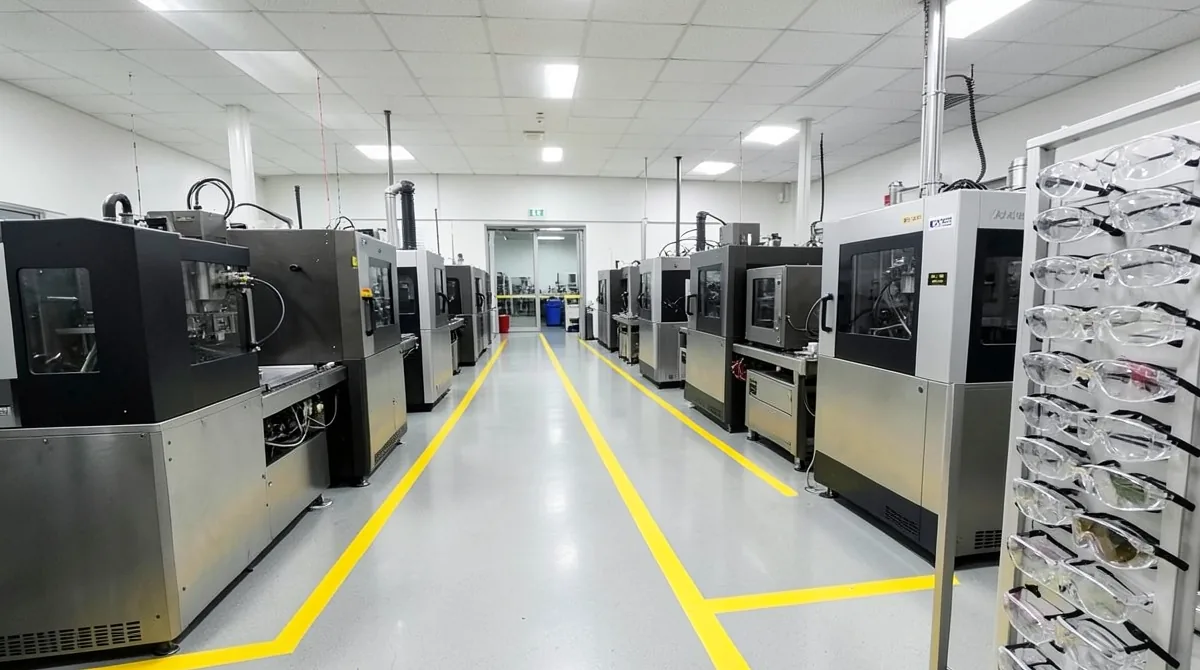
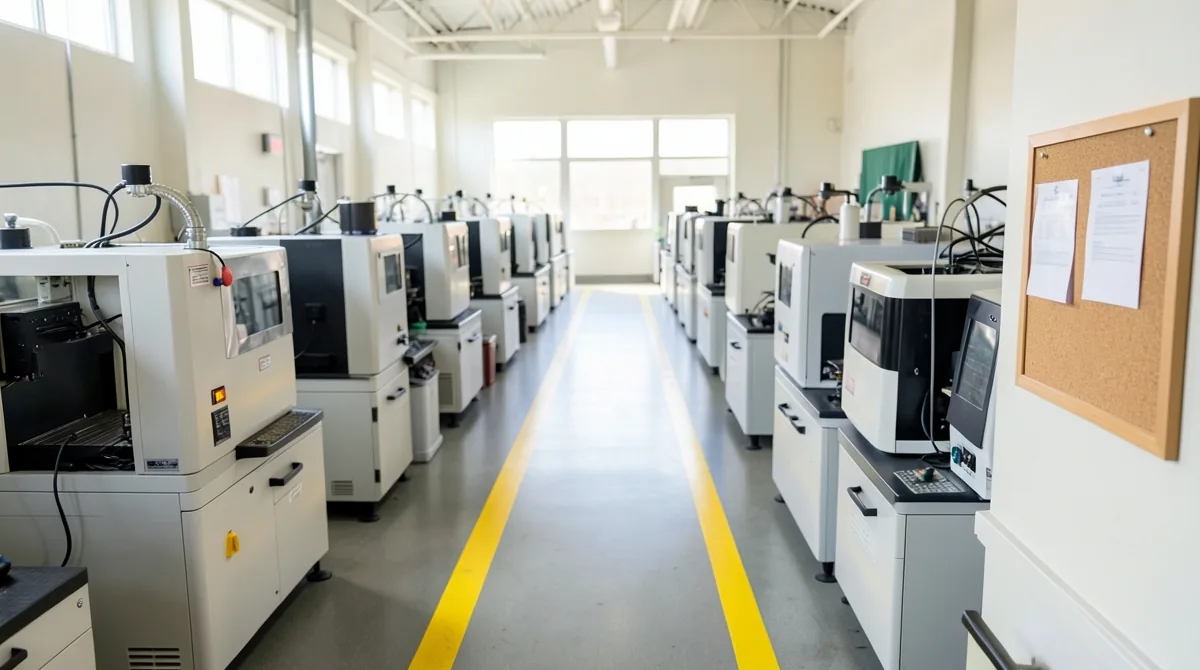
A manufacturing plant tour is one of the least expensive recruiting tools a small shop…
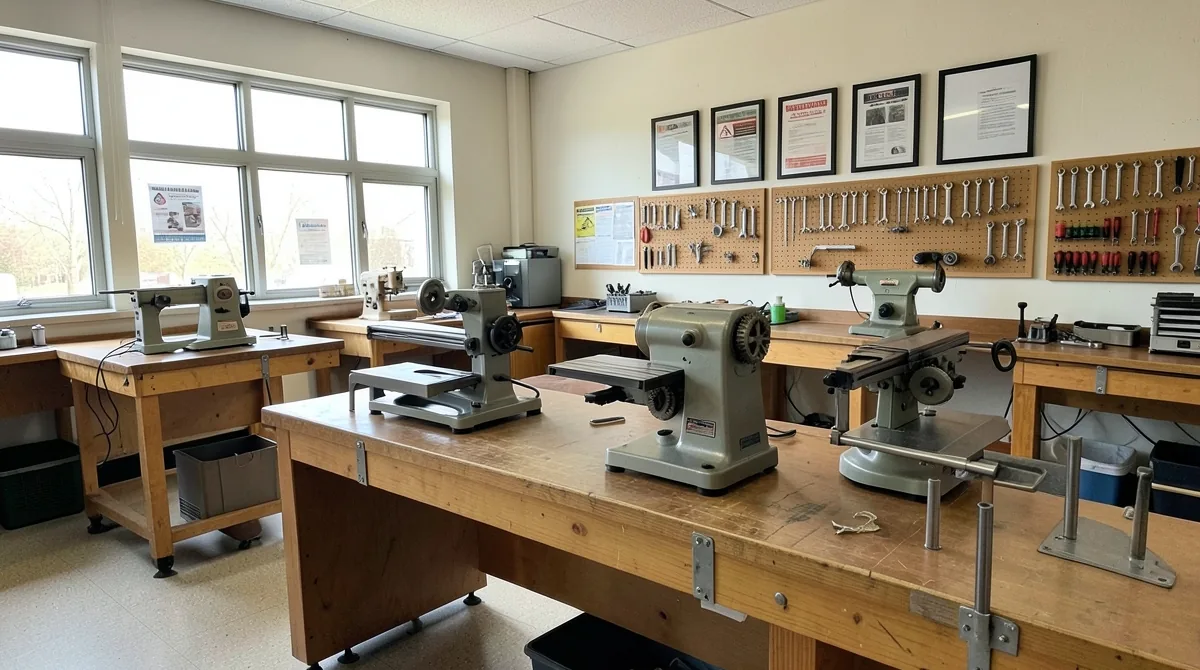
A manufacturing talent pipeline is not a job board with better traffic. It is a sequence of touchpoints that starts years before anyone applies. Pipelines fail in a predictable place: the gap between a one-time plant tour and an actual hire.
Shops that close that gap treat school partnerships as a ladder with rungs at every age, rather than a single event in October.
The manufacturing talent pipeline, rung by rung
Elementary and middle school — shaping the picture. Nobody is recruiting a sixth grader. The work here is replacing a dark, dirty, forty-year-old mental image with an accurate one, early enough that it sticks. MANTEC’s Maker Series gives K-8 teachers classroom activities covering roles from accounting through supply chain. What’s So Cool About Manufacturing brings middle schoolers into local plants to make videos about what they find.
High school — exposure that goes deep. A tour introduces. Multi-week programs convince. MANTEC’s MFG U runs summer tracks in applied engineering, supply chain, AI and technology, and engineering. The Applied Engineering track runs two weeks at Millersville University at no cost to students. It includes tours of local manufacturers and a route to the Certified Manufacturing Associate credential from SME.
Late high school — the first real job. Co-ops, summer positions, and pre-apprenticeships. This is where a shop converts interest into employment, and the rung that often goes missing.
Pre-apprenticeship. Pennsylvania registers these as a formal on-ramp, designed by employers, schools, community organizations, or community colleges, that prepares someone to qualify for a registered apprenticeship. School-based versions integrate directly into existing curriculum.
Registered apprenticeship. The structured, paid endpoint of the ladder.
What registered apprenticeship actually involves
Five elements define the federal framework. Programs are industry-led and vetted against industry standards. Each apprentice holds a paid job with wages that rise as skills do. On-the-job learning is structured and mentored, and classroom education supplements the floor work. At completion, the apprentice earns a portable, nationally recognized credential (Apprenticeship.gov).
The federal Office of Apprenticeship also describes five building blocks for employers — explore, build, partner, register, launch — and offers technical assistance at no charge. In many states, businesses can qualify for tax credits, subject to that state’s own criteria.
The part small manufacturers tend to underestimate is mentorship. A registered program obligates the shop to provide structured instruction from an experienced worker, which means pulling a senior machinist off production for real hours. That cost is manageable when it is planned into the schedule, and a problem when it is discovered in month two.
How it works in Pennsylvania
The Commonwealth runs its own State Apprenticeship Agency through the Department of Labor & Industry, and the infrastructure is already sizeable. Current listings show 880 program sponsors, 1,648 registered apprenticeship programs, 110 registered pre-apprenticeship programs, and 17,007 active apprentices (Pennsylvania Department of Labor & Industry).
Registration follows four steps. Develop the program, complete the paperwork, register with the Department of Labor & Industry once approved, then launch and maintain it. A local Apprenticeship and Training Representative assists throughout.
One detail carries real weight for budgeting. Only registered apprenticeship programs are eligible for support services and grant funding through L&I, along with certain federal programs such as the GI Bill. Informal in-house training, whatever its merits, does not open those doors. Eligibility is set by the administering agency and terms change, so eligible manufacturers may qualify but nothing is automatic.
The Commonwealth lists the outcomes employers pursue through these programs. Filling vacancies left by skills gaps. Attracting a broader range of candidates, diversifying the workforce, and transferring the knowledge of older workers onward.
That last one deserves attention in a region full of family-owned shops where one person holds the setup knowledge for the largest customer.
Where the manufacturing talent pipeline usually breaks
No named owner. School partnerships get assigned to whoever has capacity, which means nobody. The relationship needs one person whose calendar reflects it. A teacher who has to find a new contact at your company every year will eventually stop calling.
Only the final rung. A shop that offers an apprenticeship but never hosts a tour has built a door with no path running to it.
One and done. A single visit in October, never repeated, produces goodwill and little beyond it. Schools notice which employers come back.
No internal readiness. Bringing in a 19-year-old apprentice under a supervisor who has never mentored anyone puts strain on both. The supervisor transition is the real bottleneck, which is why front-line leadership training belongs in the pipeline plan rather than beside it. MANTEC’s fall session runs November 3 and 10, 2026.
Paying for the training half
Pipeline work runs on two budgets, and shops tend to plan only the first. Recruiting and exposure cost time. Training the people you bring in costs money, and that is where available programs matter.
Several MANTEC courses are listed as eligible for reimbursement under the WEDnetPA state training grant at $2,000 per employee, subject to eligibility, funding, and compliance. On the apprenticeship side, registration with the Department of Labor & Industry opens access to state support services and grant funding. Certain federal programs follow the same rule.
The sequencing point is the same one that applies to any funding program. These have their own timelines and their own criteria, set by the administering agency rather than by the employer. Manufacturers who look into eligibility in the fall are in a different position than those who discover the program the week they want to hire.
MANTEC has staff who help manufacturers identify and apply for available programs, which is worth using before a budget gets built around an assumption. Terms change from year to year, so confirm current details rather than working from last year’s numbers.
Starting from nothing
Pick one school and one rung. A single CTE program at the closest technical high school is a workable first partnership.
Offer one thing you can repeat annually — a tour, a classroom visit, a summer position. Repeatability beats ambition here, because the value compounds across years rather than arriving in the first one.
Use the coordination that already exists. MANTEC’s Career Concierge handles introductions and scheduling between schools and manufacturers, described along with the other programs on the New Talent Pipeline page. For shops still deciding where to begin, October is the practical starting point. The mechanics of hosting a first visit are straightforward once the safety plan exists.
Then hold the relationship for three years before judging it. Pipelines do not pay out in quarters. The shop that shows up at the same school every October for five years ends up with something no job posting buys: a counselor who names your company first when a student asks what else is out there.
Frequently Asked Questions About Manufacturing Talent Pipelines
01What is a manufacturing talent pipeline?
A sequenced set of relationships and programs that builds future candidates over years. Classroom exposure in middle school, tours and multi-week programs in high school, then co-ops, pre-apprenticeships, and registered apprenticeships. It differs from recruiting, which works on candidates who already exist.
02How does a small manufacturer start a registered apprenticeship in Pennsylvania?
Four steps through the Department of Labor & Industry: develop the program, complete registration paperwork, register with L&I once approved, then launch and maintain it. A local Apprenticeship and Training Representative assists throughout, and the federal Office of Apprenticeship provides technical assistance at no charge.
03Is registering an apprenticeship program worth the paperwork?
Registration is what unlocks access to support services and grant funding through Pennsylvania L&I, plus certain federal programs including the GI Bill. Informal internal training does not qualify for those. Eligibility and terms are set by the administering agency, so confirm current requirements before planning around them.
04What is the difference between apprenticeship and pre-apprenticeship?
A registered apprenticeship is a paid job with structured mentored training and a national credential at completion. Pre-apprenticeship is the on-ramp that prepares someone to qualify for one. It is often built into a high school curriculum and tied to a specific registered program.
05How long before a talent pipeline produces hires?
Plan on three years before judging results, longer if the first rung is middle school. Co-ops and summer positions can convert within a year. The compounding value comes from returning to the same school repeatedly rather than from any single event.
MANTEC: Manufacturing Support Across South Central Pennsylvania
MANTEC is a nonprofit Industrial Resource Center in York, Pennsylvania and a member of the MEP National Network. We work with small and mid-sized manufacturers across Adams, Cumberland, Dauphin, Franklin, Fulton, Lancaster, Lebanon, Perry, and York counties.
How We Help:
- Workforce Engagement — HR advising on talent management, employee engagement, performance management, and compliance
- Human Resources Peer Group — A confidential forum of manufacturing HR professionals covering topics including talent pipelines, compliance, and retention
Working through something similar?
Talk to a MANTEC adviser about what your operation is running into.
Works Cited
- Pennsylvania, Department of Labor & Industry. “Register an Apprenticeship Program.” Commonwealth of Pennsylvania, www.pa.gov/services/dli/register-an-apprenticeship-program. Accessed 19 Sept. 2026.
- United States, Department of Labor, Office of Apprenticeship. “Registered Apprenticeship Program.” Apprenticeship.gov, www.apprenticeship.gov/employers/registered-apprenticeship-program. Accessed 19 Sept. 2026.
- This article is general information for manufacturers and is not legal, compliance, or financial advice. Program requirements and eligibility change — confirm current terms with the administering agency.
Related Posts