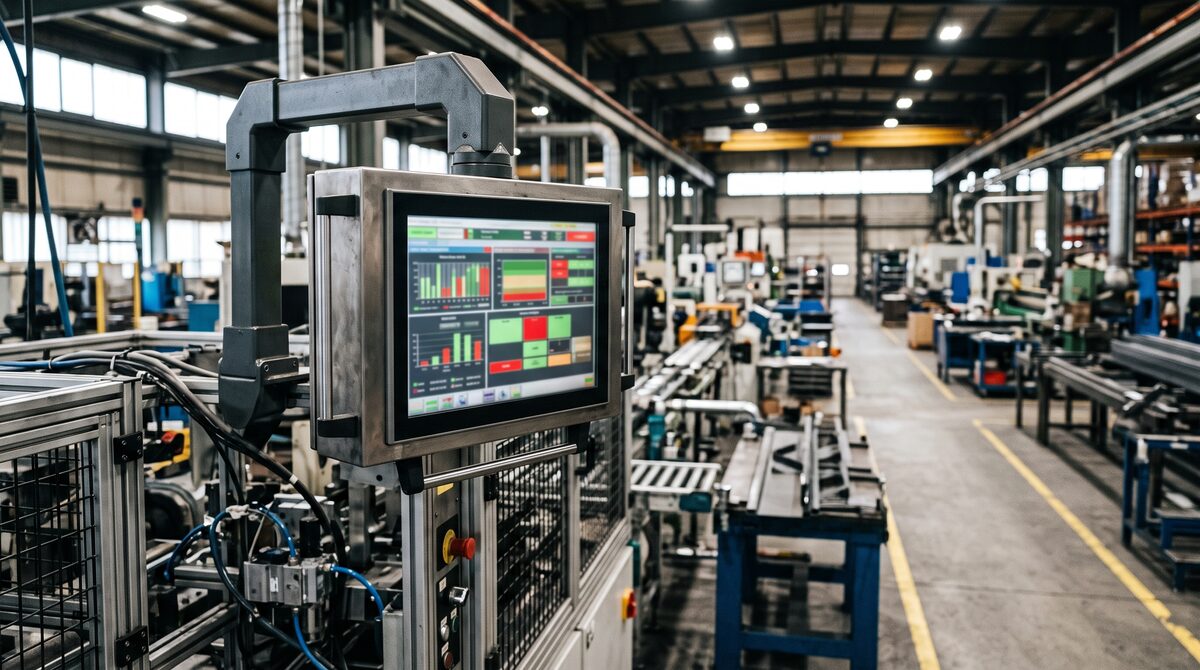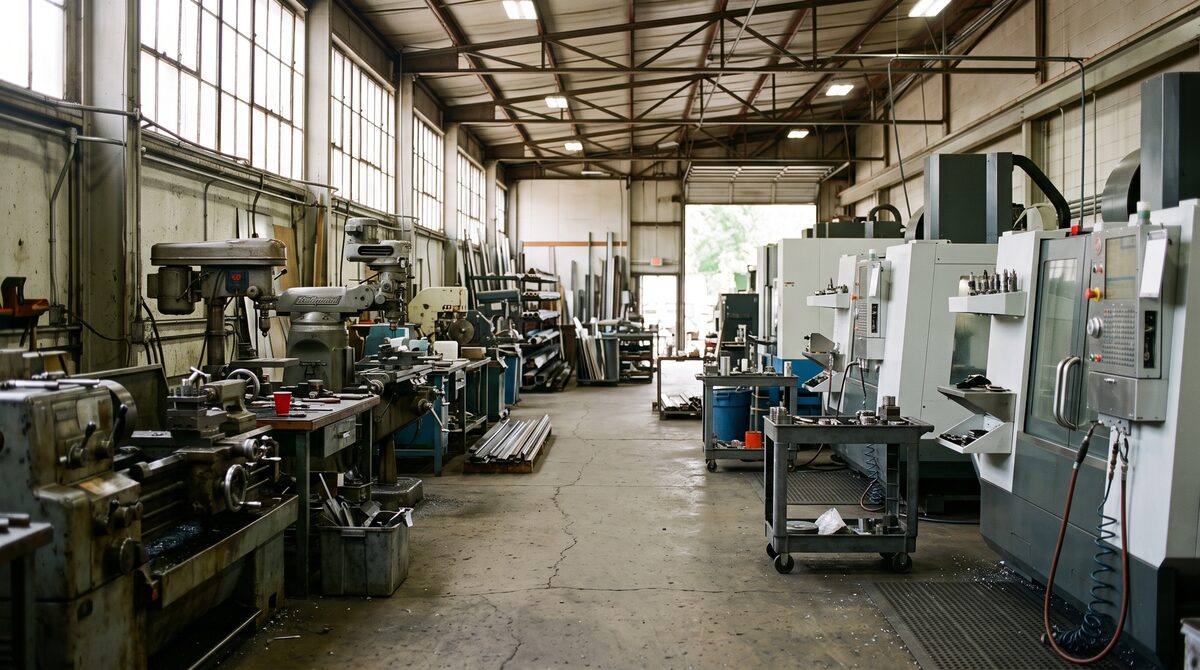
A shop buys a machine-monitoring package. The business case is sound, the vendor demo goes…
Most technology projects on a shop floor are not lost at the vendor demo. They are lost in the quiet weeks after go-live, when the schedule tightens, the champion gets pulled onto a customer problem, and the new system becomes optional. A written manufacturing technology implementation checklist is the cheapest protection against that drift, because it forces the hard decisions to happen before anyone is under pressure.
What follows is a working sequence for small and mid-sized manufacturers. This manufacturing technology implementation checklist is organized by phase rather than by technology, so it applies whether the purchase is a monitoring system, an ERP module, a cobot, or a vision inspection cell.
Manufacturing technology implementation checklist: Phase 1 — before you shortlist
Write the problem in one sentence, with a number attached. Not “improve visibility.” Something closer to “we lose about nine hours a week on the press line to setup we cannot explain.” A problem you cannot quantify is a problem you cannot verify a fix for.
Map the process as it runs today, not as the routing says. This is the step shops skip most often, and it is where mismatches surface. Software configured against an idealized flow fights the actual flow every shift. MANTEC runs Process Mapping for Manufacturers at Knowledge Park in York, with the fall session listed for November 4, 2026 at $495.
Name one owner with authority over the process, not just the settings. The owner needs to be able to change how work is done. An IT contact who can adjust screens but cannot change a procedure is a coordinator, not an owner.
Ask what the shop already does well that this might displace. Federal research on industrial AI found that dropping structured production-management practices accounted for a large share of short-run losses among established plants. Knowing which routines are load-bearing protects them.
Set a budget line for the year after purchase. Configuration, retraining, and rework are not overhead. They are part of the project.
Phase 2 — During selection
Get an independent read before you commit capital. The Department of Energy runs Industrial Training and Assessment Centers that offer no-cost assessments to qualifying small and mid-sized manufacturers. Engineering faculty and students conduct a remote survey, then a one or two-day site visit taking real measurements, and deliver a confidential report with specific recommendations, cost estimates, and payback times (U.S. Department of Energy). DOE reports more than 21,650 manufacturers assessed and over 161,200 recommendations issued. Scope has widened over the years to cover smart manufacturing and cybersecurity alongside energy and process questions.
Ask every vendor the same three questions in writing. What does a working installation look like at a shop our size? Who at our company has to do what, and for how many hours a week? What has gone wrong at similar plants?
Require a reference at a comparable scale. A reference from a 900-person plant with a dedicated systems team tells you little about a 55-person job shop.
Define finished before you sign. Write the completion criteria into the agreement. Specific numbers, specific reports, specific people using it on a specific cadence.
Check what the guidance says about your category. The MEP National Network published a practical white paper for small and mid-sized manufacturers on industrial artificial intelligence, covering common questions and actionable integration steps (NIST MEP). Reading the neutral guidance before the sales cycle changes what you ask.
Phase 3 — Before go-live
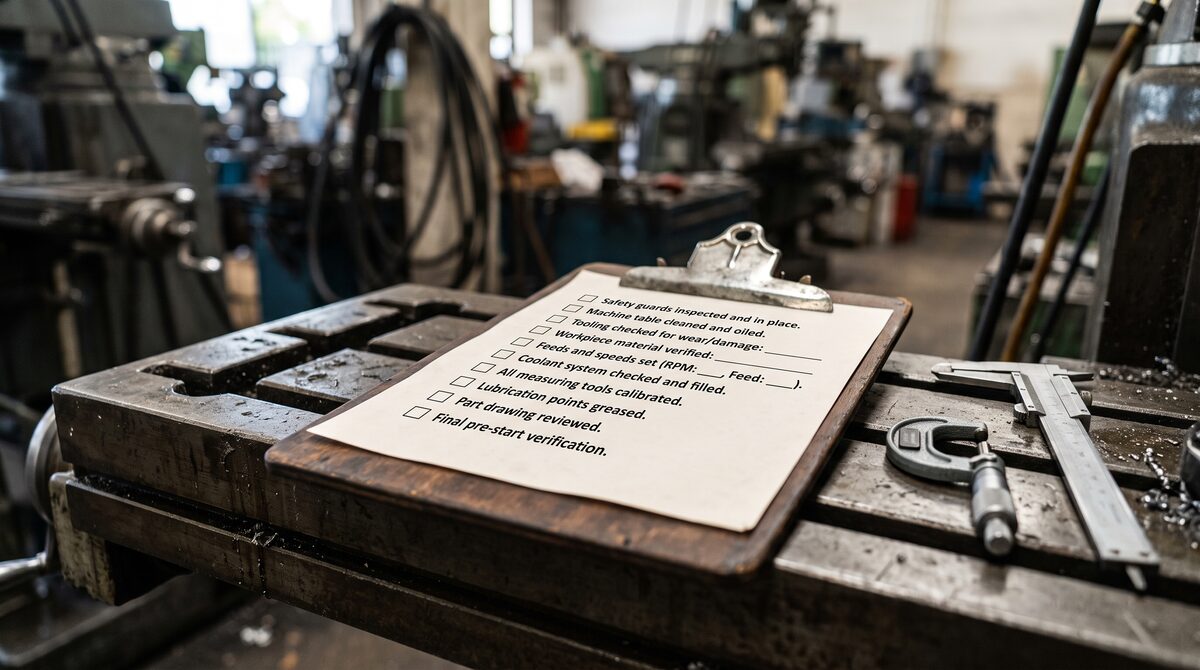
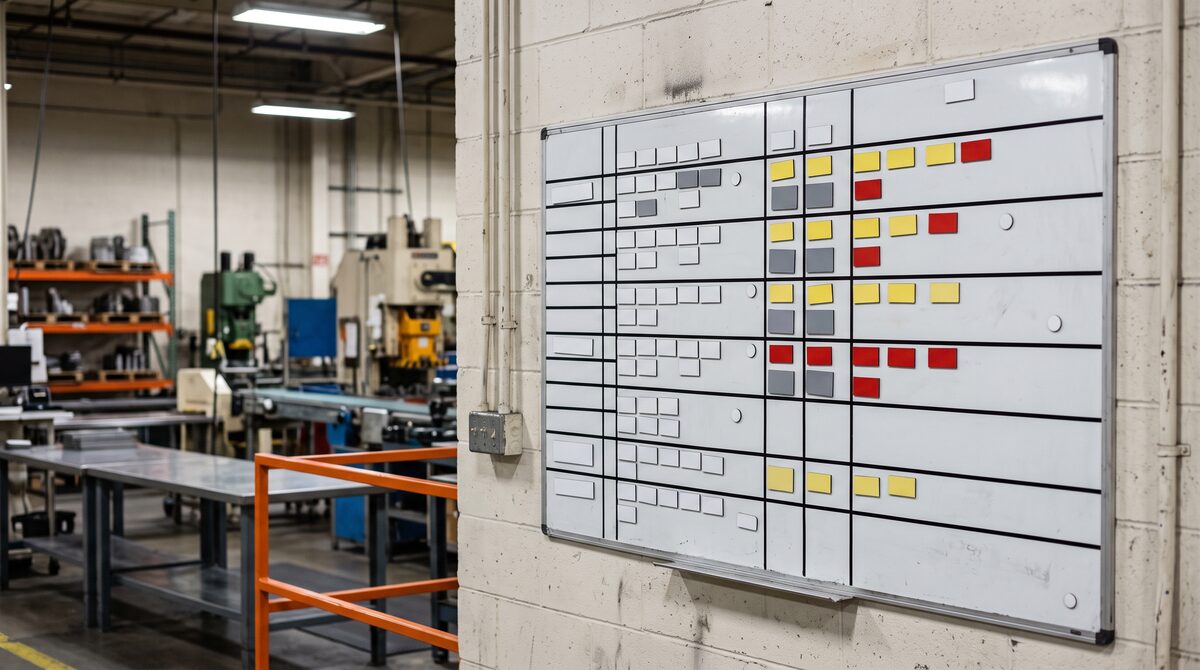
Run the old method in parallel. Keep the board, the meeting, or the paper sheet until the new system has produced numbers people trust for a full month. Parallel running costs a few hours a week and closes the gap that opens when a working routine stops before its replacement is trusted.
Train the second and third shifts separately. Training that happens once, on day shift, in a conference room, reaches maybe half the people who need it.
Decide who fixes it at 2 a.m. Write the name and the number on the machine.
Pilot on a hard line, not the easy one. A pilot on the newest cell with the best operators proves nothing about the rollout. Choose a line with legacy equipment and a messy setup, because that is where the real conditions are.
Agree on what would make you stop. Reversal criteria are not pessimism. They make it possible to pause without anyone losing face, which is what usually keeps a stalled project from dying quietly by neglect.
Phase 4 — After go-live
Book the 90-day review now, on the calendar, with names. DOE builds this discipline into its own program: assessment teams call plant managers six to nine months later specifically to verify what was actually implemented. Few shops apply that discipline to their own projects, which is why so many stall without anyone noticing until budget season.
Measure the original number. Return to the sentence from Phase 1. Nine hours a week on the press line. What is it now? If the number has not moved, the useful question is whether the system is being used as designed, not whether the system was a mistake. Those are different problems with different fixes.
Expect the first quarter to look worse. Census research documented short-term losses preceding longer-term gains in industrial technology adoption. Tell the ownership group in advance so a normal dip does not get read as failure.
Assign the maintenance of the thing. Someone owns cleaning up cause codes, retiring stale reports, and retraining new hires. Unowned systems degrade quietly.
Write down what you learned before the next purchase. Two paragraphs, kept somewhere findable. This is how a shop stops repeating the same rollout mistakes.
Using the manufacturing technology implementation checklist on a 60-person floor
The objection to any checklist is time. A plant manager reading this has four things on fire and no appetite for a twenty-item protocol.
Scaled down, the whole sequence is about four hours of work spread over a few weeks. One hour to write the problem statement and pull the numbers that support it. Ninety minutes walking the process with two operators and a pen. Thirty minutes drafting the three questions every vendor answers in writing. An hour to write completion criteria and reversal criteria on a single page.
That page is the deliverable. It travels into the vendor conversation, the ownership discussion, and the go-live meeting. Shops that produce it tend to buy less and use more of what they buy.
The items that get skipped under pressure are consistently the same two: mapping the current process, and booking the review. Both are unglamorous, neither requires a purchase, and together they account for a large share of the difference between a system in daily use and a system in a drawer. Sequencing questions belong in a broader technology roadmap rather than being settled one quote at a time.
On funding
Several MANTEC courses are listed as eligible for reimbursement under the WEDnetPA state training grant at $2,000 per employee, subject to eligibility, funding, and compliance. Program terms change and eligibility is set by the administering agency, so confirm current details before building a budget around them. MANTEC has staff who help manufacturers identify and apply for available programs.
Frequently Asked Questions About the Manufacturing Technology Implementation Checklist
01What should be on a manufacturing technology implementation checklist?
Four phases. Define the problem with a number and map the current process before shortlisting. Ask every vendor the same questions and write completion criteria before signing. Run the old method in parallel and pilot on a hard line. Measure the original number at 90 days.
02What is the first step before buying new manufacturing technology?
Write the problem in one sentence with a number attached. “We lose about nine hours a week on the press line to setup we cannot explain” is workable. “Improve visibility” is not, because a problem you cannot quantify is a problem you cannot verify a fix for.
03Who should own a technology implementation on the shop floor?
One person with authority over the process itself, not only over the software settings. Someone who can adjust screens but cannot change a procedure is a coordinator rather than an owner. Real ownership includes the ability to change how the work actually gets done.
04How long should a pilot run before a full rollout?
Long enough for the new system to produce numbers people trust across a full month, on a line that reflects real conditions. A pilot on the newest cell with the best operators proves little about a line running legacy machines and tribal-knowledge setups.
05Can a small manufacturer get outside help evaluating technology at no cost?
The Department of Energy runs Industrial Training and Assessment Centers that offer no-cost assessments to qualifying small and mid-sized manufacturers, covering process, energy, smart manufacturing, and cybersecurity questions. Eligibility is set by the program, so confirm current criteria with the administering center before planning around it.
MANTEC: Manufacturing Support Across South Central Pennsylvania
MANTEC is a nonprofit Industrial Resource Center in York, Pennsylvania and a member of the MEP National Network. We work with small and mid-sized manufacturers across Adams, Cumberland, Dauphin, Franklin, Fulton, Lancaster, Lebanon, Perry, and York counties.
How We Help:
- Manufacturing Technology — Advising on technology selection, integration, and connecting systems across the operation
- Project Management for Manufacturers — Two-day course on scoping, sequencing, and closing out projects, with the fall session listed for October 27 and 28, 2026
Working through something similar?
Talk to a MANTEC adviser about what your operation is running into.
Works Cited
- MEP National Network. “Artificial Intelligence: Key Consideration and Effective Implementation Strategies.” National Institute of Standards and Technology, July 2025, www.nist.gov/mep/manufacturing-reports/best-practices/artificial-intelligence-key-consideration-and-effective.
- United States, Department of Energy, Office of Manufacturing and Energy Supply Chains. “Industrial Training and Assessment Centers.” Energy.gov, www.energy.gov/mesc/industrial-assessment-centers-iacs. Accessed 18 Aug. 2026.
- This article is general information for manufacturers and is not legal, compliance, or financial advice. Program requirements and eligibility change — confirm current terms with the administering agency.
Related Posts