MANTEC: Strengthening South Central Pennsylvania Manufacturing Every manufacturing operation has them: the skilled machinist promoted…

Total Productive Maintenance adoption faces significant challenges across manufacturing operations, with 73% of companies reporting implementation struggles that prevent achieving target equipment effectiveness levels. Research indicates that manufacturers implementing TPM programs often encounter resistance, inconsistent execution, and measurement difficulties that stall progress toward operational excellence goals.
Equipment uptime goals remain unmet as hidden bottlenecks undermine even well-intentioned TPM initiatives. Common implementation failures include inadequate operator engagement, ineffective maintenance scheduling, disconnected data systems, and inconsistent performance tracking that obscures real improvement opportunities.
MANTEC’s Total Productive Maintenance consulting services help manufacturers identify and overcome implementation barriers through systematic problem-solving approaches and proven methodologies. Tackle common roadblocks with targeted fixes that address root causes rather than symptoms.
Roadblock 1 – Lack of Operator Engagement
Poor operator engagement represents the most significant barrier to successful TPM implementation, manifesting through minimal participation in autonomous maintenance activities and resistance to equipment ownership responsibilities. Operators often view TPM as additional work rather than value-creating activity that improves their daily experience.
Symptoms and Root Causes: Operators perform minimal cleaning and inspection activities beyond basic requirements. Equipment condition deteriorates between scheduled maintenance intervals without operator intervention. Maintenance requests lack detail about equipment performance changes or early warning signs. Shift handoffs omit equipment status information that could prevent problems.
Root causes include inadequate training on TPM benefits, unclear role definitions, and insufficient management support for operator-led maintenance activities. Many operators lack confidence in their ability to identify equipment problems or feel their input isn’t valued by maintenance teams.
Quick Fix: Daily TPM Huddles and Visual Metrics Board Implement 10-minute daily huddles focused on equipment status, performance trends, and operator observations. Create visual metrics boards displaying key equipment performance indicators including availability, performance efficiency, and quality rates for each production line.
Establish structured communication protocols where operators report equipment observations, unusual sounds, vibrations, or performance changes. Recognize operators who identify potential problems before they cause downtime. Track and display operator-initiated maintenance requests that prevented equipment failures.
Develop simple checklists for daily equipment inspections that operators can complete quickly and confidently. Provide immediate feedback when operator observations lead to successful problem resolution. This builds confidence and reinforces the value of operator involvement in equipment care.
Roadblock 2 – Ineffective Planned Maintenance
Planned maintenance programs often fail as a result of overly complex procedures, poor timing coordination, and inadequate integration with production schedules. Maintenance tasks may be generic rather than customized to specific equipment needs and operating conditions.
Symptoms and Root Causes: Scheduled maintenance frequently gets postponed based on production demands. Maintenance tasks take longer than planned, creating bottlenecks in production schedules. Equipment failures occur shortly after completed maintenance activities. Maintenance technicians spend excessive time locating procedures, tools, and spare parts.
Root causes include inflexible maintenance scheduling systems, procedures that haven’t been updated based on equipment experience, and poor communication between maintenance and production teams about optimal timing for maintenance activities.
Quick Fix: Simplify PM Checklists and Mobile Alerts Redesign preventive maintenance checklists to include only verified critical tasks that actually prevent failures. Remove low-value activities that consume time without improving equipment reliability. Create mobile-friendly checklists that technicians can access and complete using tablets or smartphones.
Implement automated alerts that notify maintenance teams and production supervisors 48 hours before scheduled maintenance activities. Include estimated duration, required resources, and any special production coordination requirements. This enables proactive scheduling adjustments rather than reactive postponements.
Establish standard times for routine maintenance tasks based on actual performance data rather than theoretical estimates. Build in buffer time for unexpected complications. Track maintenance completion rates and adjust scheduling to improve predictability and reduce production disruptions.
Roadblock 3 – Data Silos and Poor Visibility
Manufacturing operations often struggle with disconnected information systems that prevent comprehensive equipment performance analysis. Data exists in multiple systems without integration, making it difficult to identify patterns and improvement opportunities.
Symptoms and Root Causes: Equipment performance data requires manual compilation from multiple sources. Maintenance histories are incomplete or difficult to access during troubleshooting. Production reports don’t include maintenance activities that impact performance. Key performance indicators vary between departments and shifts.
Root causes include legacy systems that don’t communicate effectively, lack of data standardization across departments, and insufficient investment in integrated information systems. Manual data collection creates delays and accuracy problems that undermine decision-making.
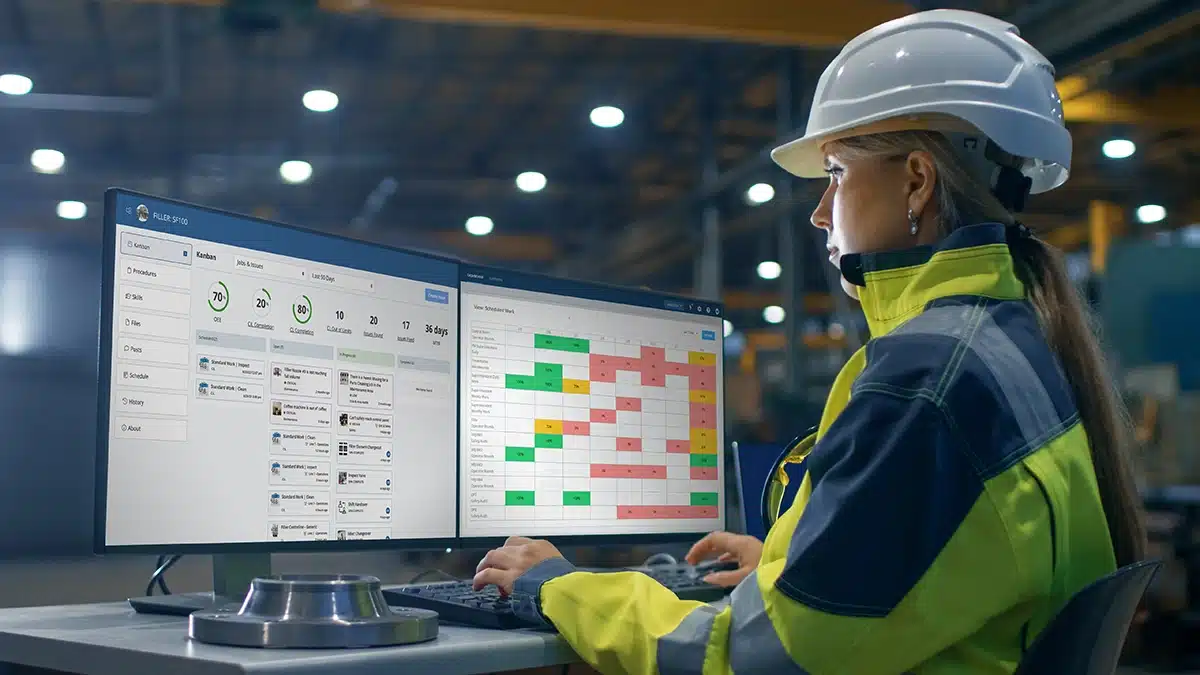
Quick Fix: Integrate CMMS with Central Dashboard Connect your Computerized Maintenance Management System with production data to create a unified dashboard displaying equipment performance, maintenance activities, and production metrics in real-time. Focus on key indicators including Overall Equipment Effectiveness, Mean Time Between Failures, and maintenance cost per unit produced.
Establish automated data feeds that eliminate manual data entry and improve accuracy. Create standardized definitions for key metrics to maintain consistency across departments and shifts. Provide access to relevant performance data for operators, maintenance technicians, and production supervisors.
Implement mobile access to equipment histories and performance trends that support field decision-making. Enable maintenance technicians to access complete equipment information including recent performance changes, maintenance activities, and operator observations directly from their mobile devices.
Roadblock 4 – Skills Gaps and Training Delays
Many TPM implementations struggle with insufficient technical knowledge among operators and maintenance staff. Traditional training approaches often prove too time-consuming and fail to provide practical skills needed for effective equipment care.
Symptoms and Root Causes: Operators avoid equipment adjustments or basic maintenance tasks due to lack of confidence. Maintenance technicians require excessive time to diagnose equipment problems. Equipment performance varies significantly between shifts based on operator skill levels. Training programs get postponed due to production demands.
Root causes include outdated training content, one-size-fits-all approaches that don’t address individual skill levels, and training schedules that conflict with production requirements. Many organizations underestimate the ongoing training needed to maintain TPM effectiveness.
Quick Fix: Micro-Learning Modules and Mentorship Pairing Develop bite-sized training modules that can be completed in 15-20 minute sessions during breaks or shift changes. Focus each module on specific equipment operations, troubleshooting techniques, or maintenance procedures. Use video demonstrations and interactive elements to improve retention.
Establish mentorship relationships pairing experienced operators with those developing TPM skills. Create structured coaching protocols that include skill assessments, practice opportunities, and gradual increase in responsibility. Document skill development progress to identify additional training needs.
Implement just-in-time training delivered through mobile devices when operators encounter specific situations. Provide quick reference guides and troubleshooting flowcharts accessible through QR codes placed on equipment. This supports learning during actual work situations when retention is highest.
Roadblock 5 – Inconsistent KPI Tracking
Without standardized metrics and consistent measurement practices, organizations cannot accurately assess TPM effectiveness or identify improvement opportunities. Different departments often use different calculations and measurement periods, creating confusion and conflicting priorities.
Symptoms and Root Causes: OEE calculations vary between production lines and shifts. Performance improvement claims cannot be verified through consistent measurement. Maintenance effectiveness metrics are unclear or disputed between departments. Progress reports show conflicting data depending on the source.
Root causes include lack of standardized measurement definitions, manual calculation processes that introduce errors, and insufficient training on proper metric calculation and interpretation. Many organizations start measuring too many things rather than focusing on critical indicators that drive behavior.
Quick Fix: Standardize OEE Calculation and Automate Data Capture Implement standardized OEE calculations across all production lines using consistent definitions for availability, performance efficiency, and quality rate. Document calculation methodologies and provide training to ensure everyone understands how metrics are determined.
Automate data collection wherever possible to eliminate manual errors and improve consistency. Use production system data for availability calculations, actual production rates for performance efficiency, and quality inspection results for quality rate calculations. This provides objective, consistent measurements.
Create automated reports that distribute OEE and other key metrics to relevant stakeholders daily. Include trend analysis and comparison data that helps identify patterns and improvement opportunities. Establish regular review meetings focused on metric interpretation and action planning based on performance data.
Download our comprehensive TPM Troubleshooting Checklist to systematically identify and address implementation barriers in your facility. This practical tool includes assessment questions, root cause analysis guides, and proven solutions for common TPM challenges.
Pillar-Specific Troubleshooting Strategies
Each TPM pillar requires specific attention to implementation details that can make the difference between success and struggle. Knowing common failure modes for each pillar helps prioritize improvement efforts and resource allocation.
Autonomous Maintenance Challenges: Operators often lack confidence to perform basic maintenance tasks beyond cleaning. Equipment complexity can intimidate operators who haven’t received proper training. Maintenance teams may resist operator involvement in traditionally technical activities.
Address these challenges by starting with simple, non-critical equipment for initial autonomous maintenance implementation. Provide hands-on training that builds confidence gradually. Establish clear boundaries between operator and technician responsibilities to reduce territorial concerns.
Planned Maintenance Optimization: Maintenance schedules based on manufacturer recommendations rather than actual operating conditions often prove ineffective. Poor spare parts availability can extend maintenance duration beyond planned windows. Inadequate maintenance procedures lead to incomplete or incorrect task execution.
Optimize planned maintenance by analyzing actual equipment performance data to establish appropriate maintenance frequencies. Implement condition-based maintenance where appropriate to extend intervals between scheduled activities. Standardize procedures and provide clear work instructions with visual aids.
Quality Maintenance Focus: Quality issues often stem from equipment condition problems that traditional maintenance approaches don’t address. Root cause analysis skills may be insufficient to identify equipment-related quality problems. Communication gaps between quality and maintenance departments prevent effective problem-solving.
Strengthen quality maintenance by training maintenance technicians in quality analysis techniques. Establish regular communication between quality and maintenance teams focused on equipment-related defects. Implement equipment health indicators that correlate with quality performance.
Advanced Implementation Techniques
Successful TPM implementation requires sophisticated change management approaches that address both technical and cultural barriers. Organizations that achieve lasting results focus on systematic behavior change rather than just technical improvements.
Leadership Engagement Strategies: Visible leadership support proves important for overcoming resistance and maintaining momentum during challenging implementation periods. Leaders must demonstrate commitment through resource allocation, time investment, and personal involvement in TPM activities.
Establish regular leadership participation in TPM activities including equipment walkarounds, performance reviews, and problem-solving sessions. Recognize and celebrate TPM successes publicly to reinforce organizational commitment. Address resource constraints and competing priorities that can undermine implementation efforts.
Cultural Transformation Approaches: TPM success requires fundamental shifts in how employees think about equipment ownership and maintenance responsibilities. Traditional mindsets that separate operations and maintenance must evolve toward shared responsibility and collaboration.
Process improvement methodologies complement TPM implementation by providing structured approaches to change management and continuous improvement. Integrated approaches that combine TPM with lean manufacturing principles often achieve faster results and better sustainability.
Performance Measurement Evolution: Effective TPM programs evolve their measurement approaches based on maturity levels and emerging challenges. Initial focus on basic availability metrics should expand to include broader operational effectiveness indicators and leading performance indicators.
Develop measurement systems that balance technical performance with behavioral indicators such as operator engagement levels, maintenance quality scores, and cross-training completion rates. This provides a more comprehensive view of TPM effectiveness and sustainability.
Technology Integration Opportunities
Modern manufacturing technologies offer opportunities to address traditional TPM implementation challenges through automation, improved data visibility, and enhanced communication capabilities.
Digital Maintenance Platforms: Cloud-based maintenance management systems provide real-time access to equipment information, maintenance histories, and performance data from any location. Mobile applications enable field data collection and immediate access to procedures and technical information.
Implement IoT sensors for continuous equipment monitoring that supports both predictive maintenance and operator awareness of equipment condition changes. Automated alerts and notifications reduce reliance on manual observation and reporting and support faster response to developing problems.
Data Analytics Applications: Advanced analytics capabilities help identify patterns in equipment performance that support better maintenance timing and resource allocation. Predictive algorithms can forecast equipment problems before they impact production.
Machine learning applications can optimize maintenance schedules based on actual operating conditions and performance patterns rather than fixed time intervals. This reduces both over-maintenance and unexpected failures through more precise timing of maintenance activities.
Communication Technology: Digital communication platforms support better coordination between operations and maintenance teams through real-time messaging, shared dashboards, and automated reporting capabilities.
Augmented reality applications can provide maintenance technicians with enhanced troubleshooting support and procedural guidance directly in the field. This reduces training requirements and improves maintenance quality through improved access to technical information.
Sustainability and Continuous Improvement
Long-term TPM success requires ongoing attention to sustaining gains and continuously improving implementation effectiveness. Organizations that maintain TPM benefits focus on systematic review and refinement of their approaches.
Audit and Assessment Practices: Regular TPM assessments help identify implementation drift and emerging challenges before they impact performance. Systematic reviews of each pillar effectiveness provide data for continuous improvement initiatives.
Establish quarterly TPM health checks that evaluate both technical performance and implementation quality. Include operator feedback, maintenance effectiveness metrics, and overall equipment performance trends in assessment activities.
Knowledge Management Systems: Capturing and sharing lessons learned from TPM implementation helps accelerate improvement and prevent recurring problems. Document successful practices and solutions for common challenges to support organization-wide learning.
Create communities of practice for TPM practitioners that facilitate sharing of best practices and problem-solving approaches. Regular knowledge sharing sessions help maintain momentum and continuous learning throughout the organization.
Training Program Evolution: TPM training needs evolve as organizations mature and face new challenges. Regular assessment of skill gaps and training effectiveness helps ensure continued development of TPM capabilities.
Develop advanced training modules for experienced practitioners focused on leadership skills, advanced problem-solving techniques, and change management approaches. This builds internal capability for ongoing TPM development and expansion.
Lean Six Sigma methodologies complement TPM programs by providing data-driven problem-solving tools and statistical analysis capabilities. Integrated approaches that combine TPM with process improvement methodologies often achieve faster results and better measurement of improvement effectiveness.
Ready to transform your TPM implementation from struggling to successful? Schedule your complimentary TPM health check with MANTEC’s manufacturing experts today. Our experienced team will assess your current implementation, identify specific roadblocks, and develop a targeted action plan that gets your TPM program back on track toward achieving operational excellence goals.
Industry Standards and TPM Resources
The Society for Maintenance and Reliability Professionals provides comprehensive guidance on TPM implementation best practices and measurement standards. Visit the SMRP website for access to industry benchmarks, implementation methodologies, and certification programs that support successful TPM adoption across various manufacturing sectors.
The National Institute of Standards and Technology offers frameworks for manufacturing performance measurement that complement TPM initiatives. Review NIST manufacturing resources to understand how TPM integration with broader operational excellence programs can accelerate results and improve sustainability of improvement efforts.
Frequently Asked Questions
How long does it typically take to see results from TPM implementation? Most organizations begin seeing measurable improvements in equipment availability and operator engagement within 3-6 months of starting TPM implementation. Significant OEE improvements typically occur within 12-18 months when implementation follows systematic approaches. Full benefits including cultural transformation and sustained improvement capabilities often require 2-3 years of consistent effort. Organizations that focus on quick wins in early phases build momentum for longer-term transformation initiatives.
What are the most common reasons TPM implementations fail? Insufficient leadership support and unclear role definitions account for approximately 60% of TPM implementation failures. Other common causes include inadequate training programs, unrealistic timeline expectations, and lack of integration with existing operational systems. Poor communication between operations and maintenance teams often undermines collaboration required for success. Organizations that address these factors systematically achieve significantly higher success rates.
How do we maintain TPM effectiveness after initial implementation? Sustaining TPM effectiveness requires ongoing attention to training, measurement, and continuous improvement activities. Establish regular assessment processes that evaluate both technical performance and implementation quality. Create systems for capturing and sharing lessons learned that prevent implementation drift. Develop internal expertise through advanced training and certification programs. Regular refresher training and skill assessments help maintain competency levels across all personnel involved in TPM activities.
What metrics should we track to measure TPM success? Focus on Overall Equipment Effectiveness as the primary TPM metric, calculated consistently across all production lines and shifts. Track operator engagement through autonomous maintenance completion rates and equipment observation reporting frequency. Monitor maintenance effectiveness using planned versus unplanned maintenance ratios and maintenance cost per unit produced. Include leading indicators such as training completion rates and cross-functional collaboration frequency that predict future performance improvements.
How do we get operators more engaged in TPM activities? Start with comprehensive training that builds operator confidence and demonstrates clear connections between their activities and equipment performance. Recognize and celebrate operator contributions to equipment improvement publicly and consistently. Provide feedback showing how operator observations and actions prevented problems or improved performance. Establish clear role definitions that respect operator expertise and avoid overwhelming them with excessive responsibilities. Create simple, achievable goals that build success momentum and gradually expand responsibilities over time.
Related Posts