MANTEC: Strengthening South Central Pennsylvania Manufacturing Every manufacturing operation has them: the skilled machinist promoted…

Manufacturing companies investing in new equipment face complex coordination challenges that can make or break their modernization efforts. Equipment upgrade projects demand specialized management approaches that account for production continuity, technical integration, and workforce adaptation.
Project management expertise becomes critical when manufacturers need to install, integrate, and commission new systems without disrupting existing operations or compromising safety standards.
Modern manufacturing environments require systematic approaches to managing capital projects that often involve multiple vendors, complex technical requirements, and tight installation windows.
Traditional Project Management Frameworks for Manufacturing
Waterfall methodology remains popular for manufacturing equipment projects due to its structured, sequential approach. This framework works well when project requirements are clearly defined and unlikely to change significantly during implementation.
The predictable nature of equipment installation projects makes waterfall methodology particularly suitable. Requirements gathering, design, procurement, installation, and commissioning phases follow logical sequences that align with manufacturing planning cycles.
Documentation requirements in manufacturing environments support waterfall approaches. Detailed specifications, drawings, and procedures must be completed before physical work begins, making the linear progression natural for most equipment projects.
Agile Methodologies in Manufacturing Project Management
Agile project management has gained traction in manufacturing, particularly for software integration and automation projects. The iterative approach allows teams to adapt to changing requirements and incorporate lessons learned throughout implementation.
Sprint-based planning works well for complex integration projects where multiple systems must work together. Short development cycles enable testing and refinement before full system deployment.
Daily standups and regular retrospectives help manufacturing teams identify and resolve issues quickly. This communication structure is particularly valuable when coordinating between production, maintenance, and engineering teams.
Hybrid Approaches for Complex Manufacturing Projects
Many successful manufacturing projects combine elements from multiple methodologies to address specific challenges. Hybrid approaches might use waterfall planning for physical infrastructure and apply agile principles to software development and system integration.
Risk management becomes more sophisticated in hybrid environments. Teams can apply different risk assessment techniques to various project components based on their unique characteristics and requirements.
Resource allocation in hybrid projects requires careful coordination between different workstreams. Manufacturing teams must balance competing priorities and maintain overall project coherence.
Critical Path Method for Equipment Installation
Critical Path Method (CPM) scheduling provides manufacturing project managers with tools to identify needed task sequences and potential bottlenecks. Equipment delivery, site preparation, and installation activities often have strict dependencies that CPM helps visualize.
Float time calculation becomes particularly important when working around production schedules. Understanding which tasks can be delayed without impacting overall timelines helps managers make informed decisions about resource allocation.
Resource leveling techniques help manufacturing companies optimize equipment utilization and workforce deployment throughout project lifecycles. This optimization reduces costs and improves project efficiency.
Lean Project Management Principles
Lean thinking applied to project management focuses on eliminating waste and maximizing value delivery. Manufacturing companies familiar with lean production concepts can readily adapt these principles to project environments.
Value stream mapping for projects helps identify non-value-added activities and streamline workflows. This analysis often reveals opportunities to reduce project duration and costs.
8 ways that lean manufacturing improves operations demonstrates how lean principles create operational improvements that complement effective project management practices.
Just-in-time principles applied to project management reduce inventory carrying costs and minimize the risk of obsolescence. Material delivery scheduling becomes critical for successful lean project execution.
Risk Management in Manufacturing Projects
Manufacturing equipment projects face unique risks related to production disruption, safety hazards, and technical integration challenges. Comprehensive risk assessment must address these manufacturing-specific concerns.
Production continuity risks require detailed contingency planning. Backup systems, alternative production routes, and emergency procedures help minimize operational disruptions during equipment installation and commissioning.
Safety risks during equipment installation demand specialized protocols and trained personnel. OSHA compliance and manufacturer safety requirements must be integrated into project planning and execution.
Stakeholder Management Strategies
Manufacturing projects typically involve diverse stakeholder groups with different priorities and communication preferences. Production managers focus on minimizing downtime, and quality teams emphasize specification compliance and validation requirements.
Maintenance personnel require detailed training and documentation to support new equipment effectively. Their input during project planning phases helps identify potential operational challenges and maintenance requirements.
Vendor management becomes particularly complex when multiple suppliers must coordinate activities at the manufacturing facility. Clear communication protocols and coordination meetings help prevent conflicts and delays.
Change Management During Equipment Upgrades
Workforce adaptation to new equipment requires structured change management approaches. Training programs, communication campaigns, and support systems help employees embrace new technologies and processes.
Resistance to change often emerges from concerns about job security or increased complexity. Addressing these concerns proactively through transparent communication and skills development programs improves project success rates.
Leadership involvement in change management demonstrates organizational commitment to successful implementation. Visible support from management helps overcome resistance and encourages employee engagement.
Technology Integration Challenges
Modern manufacturing equipment often includes sophisticated software systems that must integrate with existing Enterprise Resource Planning (ERP) and Manufacturing Execution Systems (MES). These integration projects require specialized technical expertise and careful coordination.
Data migration and system testing become critical project phases when integrating new equipment with existing manufacturing systems. Comprehensive testing protocols help identify and resolve integration issues before full deployment.
Cybersecurity considerations add complexity to equipment integration projects. New systems must meet corporate security standards and maintain operational functionality and performance.
Budget Management and Cost Control
Manufacturing equipment projects often involve substantial capital investments that require careful financial management. Cost tracking systems must account for equipment purchases, installation costs, training expenses, and opportunity costs from production disruptions.
Change order management becomes critical when project scope evolves during implementation. Clear approval processes and cost impact assessments help prevent budget overruns.
Return on investment calculations should include both direct cost savings and indirect benefits such as improved quality, increased capacity, and reduced maintenance requirements.
Timeline Management and Scheduling
Equipment delivery schedules often drive overall project timelines in manufacturing environments. Long lead times for specialized equipment require early procurement decisions and careful coordination with installation activities.
Production scheduling constraints limit available installation windows for many manufacturing companies. Projects must be planned around maintenance shutdowns, seasonal demand patterns, and other operational considerations.
Commissioning and startup phases require dedicated time allocations that account for testing, troubleshooting, and operator training. Rushed commissioning often leads to ongoing operational problems and reduced equipment performance.
Quality Assurance Throughout Project Lifecycle
Quality control processes must be embedded throughout manufacturing equipment projects to verify that installed systems meet specifications and performance requirements. Inspection protocols, testing procedures, and acceptance criteria should be established before project execution begins.
Vendor quality requirements should align with corporate standards and customer expectations. Supplier audits and qualification processes help identify potential quality issues before they impact project outcomes.
Documentation control becomes critical for maintaining quality standards throughout complex projects. Configuration management systems help track changes and maintain compliance with quality requirements.
Communication and Reporting Systems
Effective communication systems keep all stakeholders informed about project progress, issues, and upcoming activities. Regular status reports, milestone reviews, and issue escalation procedures help maintain project momentum.
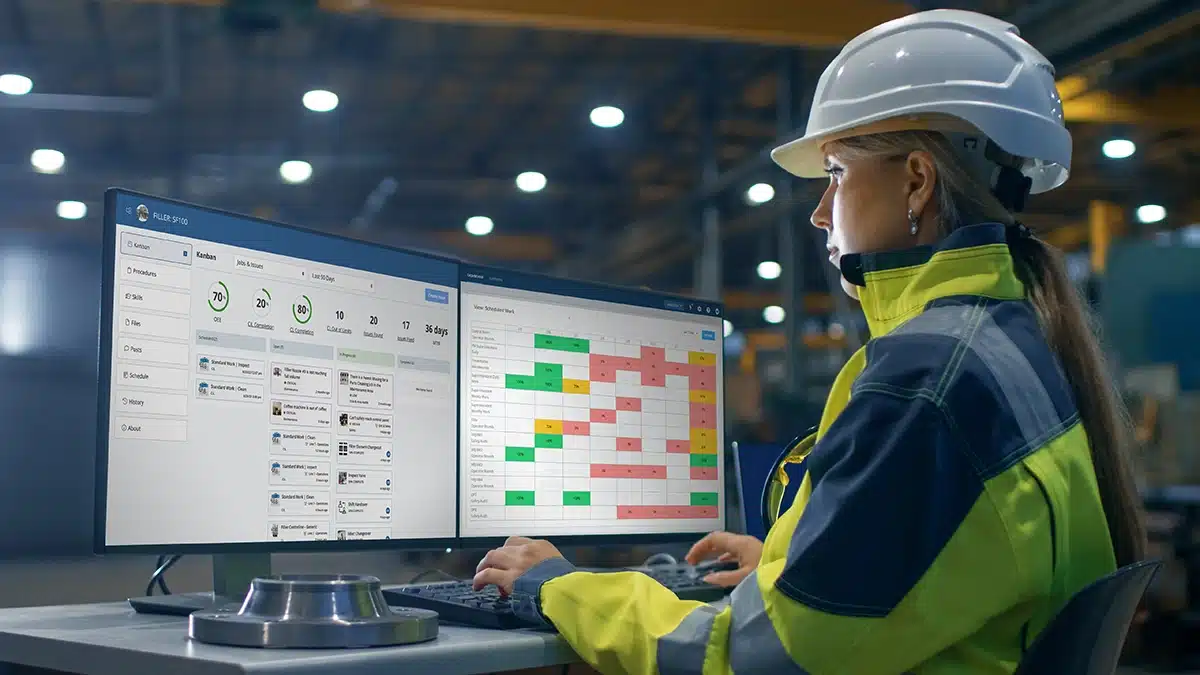
Visual management tools such as project dashboards and progress charts help manufacturing teams quickly understand project status and identify areas requiring attention. These tools are particularly effective in manufacturing environments where visual communication is standard practice.
Lessons learned documentation captures valuable insights that improve future project performance. Post-project reviews help identify best practices and areas for improvement in project management processes.
Resource Planning and Allocation
Manufacturing projects require careful coordination of internal resources with external contractors and suppliers. Resource conflicts between project activities and ongoing production must be identified and resolved early in the planning process.
Skills assessment helps identify training needs and resource gaps that could impact project success. Cross-training programs and external support arrangements help address skill shortages.
Equipment and facility resources must be allocated between project activities and ongoing operations. Temporary facilities, backup equipment, and alternative workflows help maintain production during major equipment installations.
Performance Measurement and Success Metrics
Project success metrics should align with manufacturing objectives and business goals. Traditional measures such as schedule adherence and budget compliance must be supplemented with operational performance indicators.
Equipment performance metrics including productivity, quality, and reliability provide objective measures of project success. These metrics should be tracked for several months after project completion to verify that objectives are achieved.
How to create a strategic plan with smart goals provides frameworks for establishing measurable objectives that support long-term manufacturing competitiveness and operational excellence.
Customer satisfaction measures help evaluate the impact of equipment upgrades on product quality and delivery performance. External validation provides additional confirmation of project success.
Call to Action
Planning a major equipment upgrade or manufacturing improvement project? Contact our project management experts today to discuss how proven methodologies can support successful implementation and minimize operational disruption.
Industry Standards and Compliance Resources
Manufacturing project managers should reference established industry standards and regulatory requirements throughout project lifecycles. The Project Management Institute (PMI) provides comprehensive guidelines and best practices for managing complex industrial projects.
The International Organization for Standardization (ISO) offers project management standards that complement manufacturing quality systems and provide frameworks for systematic project execution.
Frequently Asked Questions
What project management methodology works best for manufacturing equipment installations?
Waterfall methodology typically works best for manufacturing equipment installations due to the sequential nature of procurement, delivery, installation, and commissioning activities. The structured approach aligns well with manufacturing planning cycles and documentation requirements. Hybrid approaches that incorporate agile principles for software integration and testing phases often provide better results for complex automation projects. The key is matching methodology to project characteristics rather than applying a one-size-fits-all approach to all manufacturing projects.
How can manufacturers minimize production disruption during equipment upgrade projects?
Production disruption minimization requires careful planning around maintenance windows, seasonal demand patterns, and backup system availability. Successful manufacturers often phase equipment installations to maintain partial production capability throughout the project. Detailed contingency planning, including alternative production routes and temporary equipment arrangements, helps address unexpected delays or complications. Communication with sales and customer service teams helps manage customer expectations and delivery commitments during transition periods.
What are the most common causes of manufacturing project delays and cost overruns?
Inadequate requirements definition and scope creep represent the leading causes of manufacturing project delays and budget overruns. Technical integration challenges, particularly with software systems and automation components, frequently exceed original estimates. Vendor coordination problems and supply chain disruptions can significantly impact project timelines. Change management resistance and insufficient training programs often extend commissioning and startup phases. Weather-related delays for outdoor installations and permit approval processes contribute to schedule slippage in many manufacturing projects.
How should manufacturers handle vendor management during complex equipment projects?
Effective vendor management requires clear communication protocols, defined roles and responsibilities, and regular coordination meetings. Master service agreements should establish performance standards, liability provisions, and dispute resolution procedures before project execution begins. Vendor qualification processes help identify suppliers with appropriate technical capabilities and project management experience. Regular progress reviews and milestone payments help maintain vendor accountability and provide necessary cash flow support. Risk sharing arrangements and performance guarantees help align vendor interests with project success objectives.
What skills do manufacturing project managers need for equipment upgrade projects?
Manufacturing project managers need technical knowledge of production processes, equipment specifications, and integration requirements. Strong communication skills are critical for coordinating between diverse stakeholder groups including production, maintenance, quality, and safety teams. Risk management capabilities help identify and mitigate manufacturing-specific risks such as production disruption and safety hazards. Financial management skills including budget development, cost tracking, and return on investment analysis support business case development and project justification. Change management experience helps address workforce concerns and facilitate technology adoption throughout the organization.
Related Posts