MANTEC: Strengthening South Central Pennsylvania Manufacturing Every manufacturing operation has them: the skilled machinist promoted…

MANTEC: Accelerating Manufacturing Excellence in South Central Pennsylvania
Every manufacturing leader walks their plant floor. Most see clean aisles, busy workers, and running equipment before returning to offices satisfied that operations are proceeding normally. Yet those same plants harbor hidden inefficiencies bleeding productivity every shift. The difference between a routine walkthrough and a powerful diagnostic tool lies in structure, intention, and knowing what questions to ask.
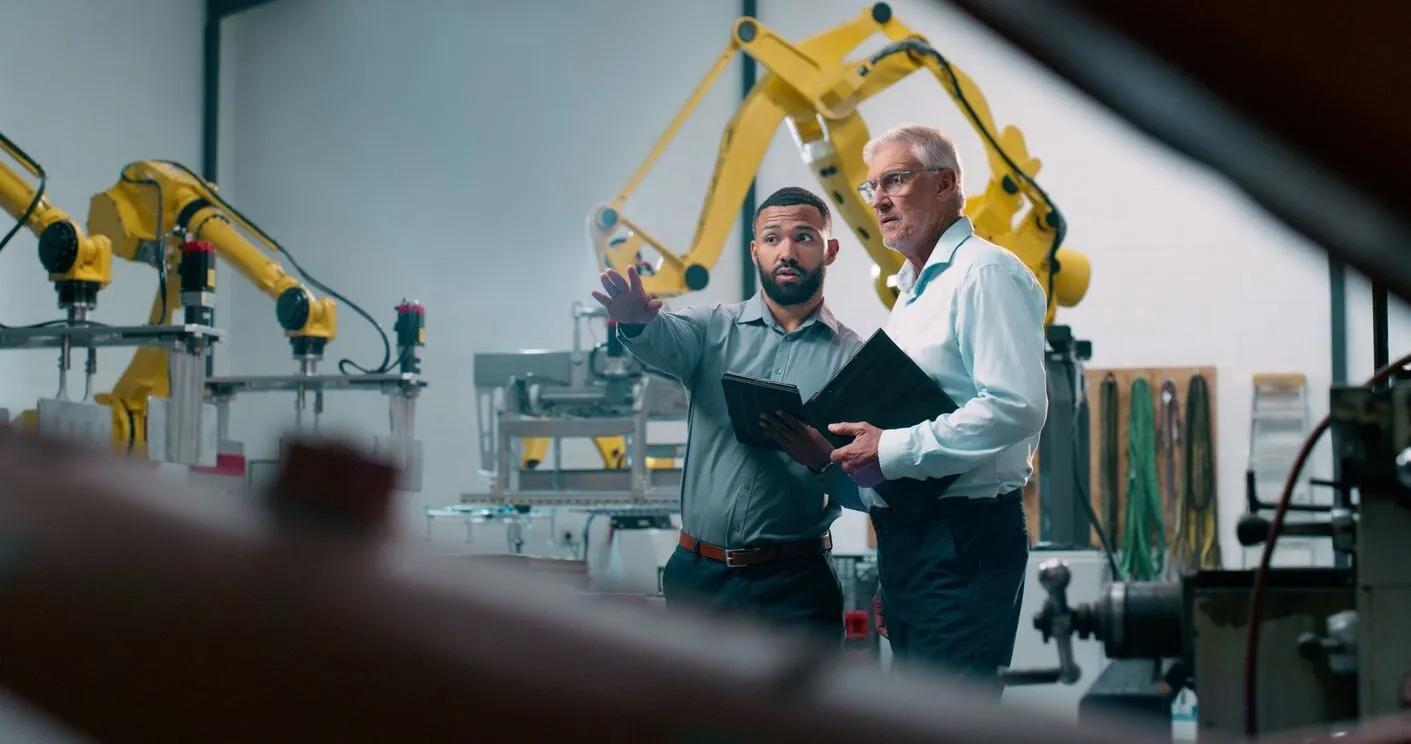
The Gemba walk, rooted in Toyota’s production system philosophy, transforms plant floor observation from casual touring into systematic waste identification. The term Gemba translates from Japanese as “the real place” where value is created. Rather than relying on reports and metrics that summarize operations, Gemba walks bring leaders to the actual location where work happens. This direct observation reveals realities that data alone cannot capture: the workaround that adds unnecessary steps, the material staging that forces excess walking, the communication breakdown that causes daily delays.
For South Central Pennsylvania manufacturers facing the dual pressures of productivity challenges and workforce constraints, Gemba walks offer practical methodology for finding improvement opportunities without expensive consultants or complex analysis. A properly structured 20-minute morning Gemba can identify actionable waste every single day, building a continuous pipeline of improvement opportunities that compound into significant competitive advantage over time.
Why Pennsylvania Manufacturers Need Structured Gemba Practice Now
The productivity environment facing regional manufacturers has grown increasingly challenging. National data shows manufacturing productivity declined across the majority of industries in 2024, while labor costs continued rising. For manufacturers in the nine-county South Central Pennsylvania region that MANTEC serves, these pressures arrive alongside persistent workforce shortages that make efficiency gains essential.
Traditional approaches to productivity improvement often involve periodic assessments, consultant engagements, or major improvement events. While these approaches deliver value, they occur infrequently and depend on external resources or dedicated internal teams. Gemba walks complement these approaches by creating daily discipline of waste observation that anyone in leadership can practice.
Pennsylvania’s WEDnetPA program provides up to $2,000 per employee for eligible workforce training, including continuous improvement methodologies that incorporate Gemba practice. Companies can participate for two consecutive years or three years within any five-year period, making sustained skill development financially accessible. This funding can support training supervisors and managers in structured observation techniques that transform their daily plant presence into continuous improvement activity.
The cultural benefits of regular Gemba practice extend beyond direct waste identification. When supervisors and managers regularly engage with frontline workers about their challenges and ideas, communication improves throughout the organization. Workers who see leadership genuinely interested in understanding their work develop greater engagement and willingness to contribute improvement ideas. The practice demonstrates that productivity improvement is everyone’s responsibility, not a specialized function.
The 20-Minute Morning Gemba Structure
Effective Gemba walks balance sufficient time for meaningful observation against the practical constraints facing busy manufacturing leaders. A 20-minute morning format provides enough time to observe multiple work areas while remaining sustainable as daily practice. The key is maintaining focus and structure rather than extending duration.
The first five minutes should establish the day’s observation focus. Rather than attempting to see everything, select one specific waste category or process area for concentrated attention. Monday might focus on waiting waste throughout the plant. Tuesday might examine a specific production cell or assembly area. This rotation ensures comprehensive coverage over time while providing depth of observation each day. Prepare mentally for observation mode: you are there to see and understand, not to solve problems on the spot or direct work activities.
The central ten minutes constitute the actual observation period. Walk to the designated area and position yourself where you can observe work flow without disrupting operations. Watch complete work cycles rather than momentary snapshots. Notice what happens between value-adding activities. Count walking steps workers take. Time waiting periods. Observe material handling patterns. Most importantly, engage workers in brief conversations about their challenges and ideas.
The final five minutes capture observations while they remain fresh. Step away from the production area to document what you saw. Note specific instances of waste with enough detail to communicate them clearly. Identify patterns connecting individual observations. Record worker comments and suggestions. Flag items requiring follow-up investigation or immediate attention. This documentation transforms observation into organizational knowledge that can drive improvement action.
Questions That Reveal Hidden Waste
The quality of Gemba insights depends heavily on the questions asked, both internally while observing and externally when engaging workers. Effective Gemba practitioners develop mental checklists that prompt systematic observation rather than passive watching.
For identifying waiting waste, ask: What are workers waiting for right now? How long do they typically wait for materials, information, or equipment? What causes the waits they experience most frequently? Could staging or scheduling changes eliminate these delays?
For spotting motion waste, observe: How many steps do workers take to complete standard tasks? How often do they leave their primary workstations? Where are tools and materials positioned relative to point of use? What reaching and bending movements could improved layout eliminate?
For revealing overprocessing, question: Does each operation genuinely add value from the customer’s perspective? Are inspection steps checking for defects that process improvements have already eliminated? What documentation serves only internal purposes without regulatory requirement?
Worker engagement questions should invite honest input rather than yes-or-no responses. Ask what makes their jobs harder than necessary. Ask what they would change if they could. Ask what problems they see repeatedly that never get fixed. The responses to these open-ended questions often reveal improvement opportunities that observation alone would miss.
For comprehensive understanding of how these waste categories interconnect, reviewing Five Hidden Time Wasters That Kill Manufacturing Productivity (and How to Spot Them in One Walkthrough) provides the foundational framework that structured Gemba practice applies.
Common Patterns Gemba Walks Reveal
Experienced Gemba practitioners develop pattern recognition that accelerates waste identification. Certain waste signatures appear consistently across manufacturing environments, though their specific manifestations vary by industry and operation.
Material staging patterns often reveal waiting waste. When workers regularly travel to retrieve materials rather than having materials delivered to workstations, motion and waiting waste combine. When work-in-process accumulates at certain stations while downstream operations sit idle, production flow imbalances create waiting. When expediting activity spikes at certain times, material availability problems likely drive schedule disruption.
Layout and workflow patterns expose motion waste. When workers cross paths frequently or travel common routes repeatedly, facility layout may force unnecessary movement. When tools migrate from their designated locations requiring searches, 5S discipline has broken down. When workers perform similar operations at multiple locations rather than consolidated stations, process organization may sacrifice efficiency.
Information flow patterns indicate both waiting and overprocessing. When workers wait for supervisor approvals that could be eliminated or streamlined, authorization processes may be overly complex. When multiple people perform similar data entry or documentation, information systems may require redundant input. When workers lack visibility to upstream or downstream status, communication gaps create coordination overhead.
Quality patterns signal defects waste and its causes. When inspection stations accumulate rejected work, upstream process capability needs attention. When rework areas show consistent activity, root causes remain unaddressed. When workers apply informal quality checks beyond standard procedures, they may be compensating for known process weaknesses.
Building Organizational Gemba Capability
Individual Gemba practice delivers value, but organizational Gemba culture multiplies impact across the entire leadership team. When multiple supervisors and managers practice structured observation, waste identification becomes pervasive rather than concentrated in improvement specialists.
Training the leadership team in Gemba methodology creates common language and shared understanding of waste categories. The Lean Enterprise Institute describes the eight wastes as originally developed by Taiichi Ohno at Toyota, with an eighth waste of non-utilized talent added as Lean evolved globally. When everyone uses consistent terminology for discussing waiting, motion, overprocessing, defects, and non-utilized talent, communication about improvement opportunities becomes more efficient. Shared training also establishes expectations that Gemba practice is legitimate and valued use of leadership time.
Rotating Gemba focus across the organization prevents blind spots from developing. When the same leader always observes the same areas, familiarity breeds acceptance of suboptimal conditions. Cross-functional Gemba, where leaders observe outside their direct responsibility, brings fresh perspectives that reveal waste normalized within departments.
Connecting Gemba observations to improvement action sustains engagement. When workers see that their input during Gemba conversations actually drives changes, they become more forthcoming with observations and ideas. When documented waste leads to visible improvement projects, the connection between observation and outcome reinforces the value of Gemba practice.
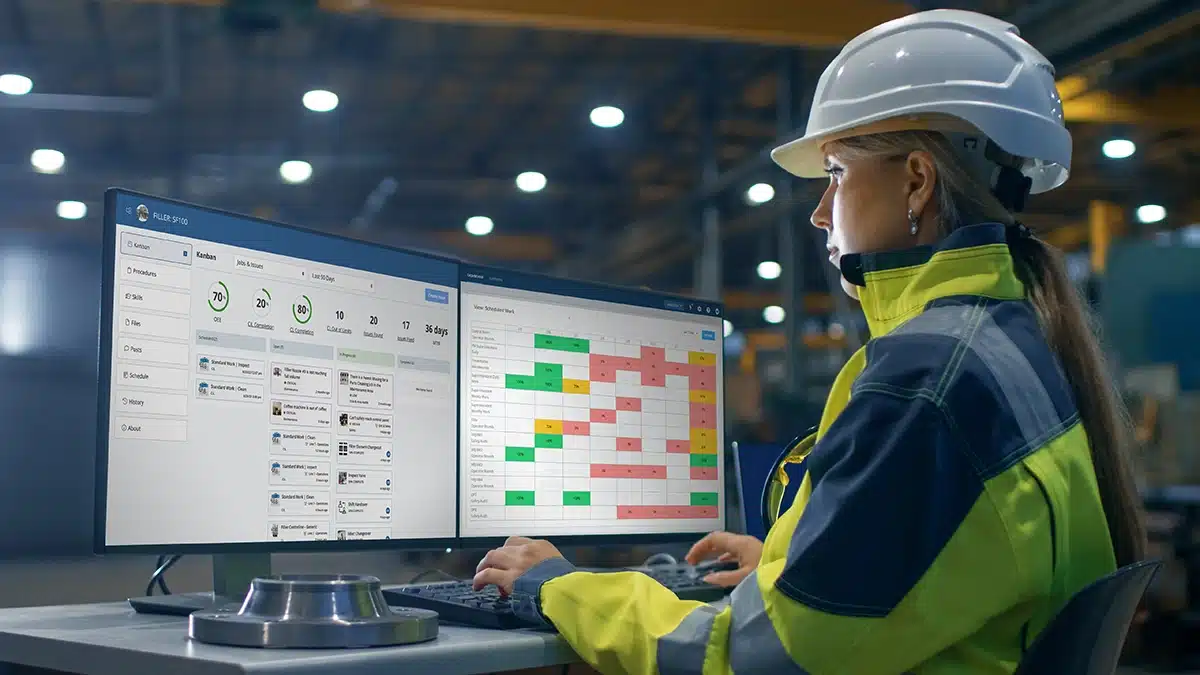
Visual management systems support Gemba by making waste visible between formal observation sessions. Status boards, production tracking displays, and quality metrics posted at work areas provide continuous visibility that complements periodic Gemba walks. Leaders passing through areas can quickly assess conditions against visual standards without interrupting work for verbal status updates.
From Observation to Improvement Action
Gemba walks identify waste, but elimination requires follow-through that translates observations into sustainable improvements. The gap between seeing problems and solving them determines whether Gemba practice drives results or merely documents ongoing inefficiency.
Categorizing observations by scope and complexity helps prioritize action. Quick fixes that supervisors can implement immediately should proceed without delay. Addressing a tool storage problem or adjusting material staging location takes minutes and delivers immediate benefit. These quick wins build momentum and demonstrate that Gemba observations receive attention.
Larger opportunities requiring cross-functional coordination or capital investment need structured project approaches. Value Stream Mapping: The Tool That Reveals Where Your Time Actually Goes provides methodology for analyzing complex processes where multiple waste types interact. Value Stream Mapping events bring together stakeholders to visualize current state, design improved future state, and plan implementation.
Tracking improvement outcomes completes the Gemba cycle by connecting observations to measured results. When waste reduction can be quantified in time, cost, or quality metrics, the value of Gemba practice becomes demonstrable. These results justify continued investment in observation time and training while building organizational confidence in continuous improvement methodology.
MANTEC: Your Partner in Manufacturing Excellence
MANTEC helps small and mid-sized manufacturers throughout South Central Pennsylvania build continuous improvement capability that drives sustained competitive advantage. As part of the MEP National Network, MANTEC provides training and advising that translates Lean methodology into practical shop floor results.
Our Services Include:
- Continuous Improvement Advising – Expert guidance implementing Gemba practice, waste identification, and improvement culture
- Intro to Lean Fundamentals – Foundation training in Lean principles including structured observation techniques
Ready to Transform Your Plant Walks? Contact MANTEC to learn about winter CI Fundamentals and Value Stream Mapping training programs that build your team’s capability to find and eliminate hidden waste.
Works Cited
“The Eight Wastes of Lean.” Lean Enterprise Institute, www.lean.org/the-lean-post/articles/the-eight-wastes-of-lean/. Accessed 8 Dec. 2025.
“WEDnetPA.” Pennsylvania Department of Community and Economic Development, Commonwealth of Pennsylvania, dced.pa.gov/programs/wednetpa/. Accessed 8 Dec. 2025.
Related Articles
- Five Hidden Time Wasters That Kill Manufacturing Productivity (and How to Spot Them in One Walkthrough)
- Value Stream Mapping: The Tool That Reveals Where Your Time Actually Goes
Related Posts